
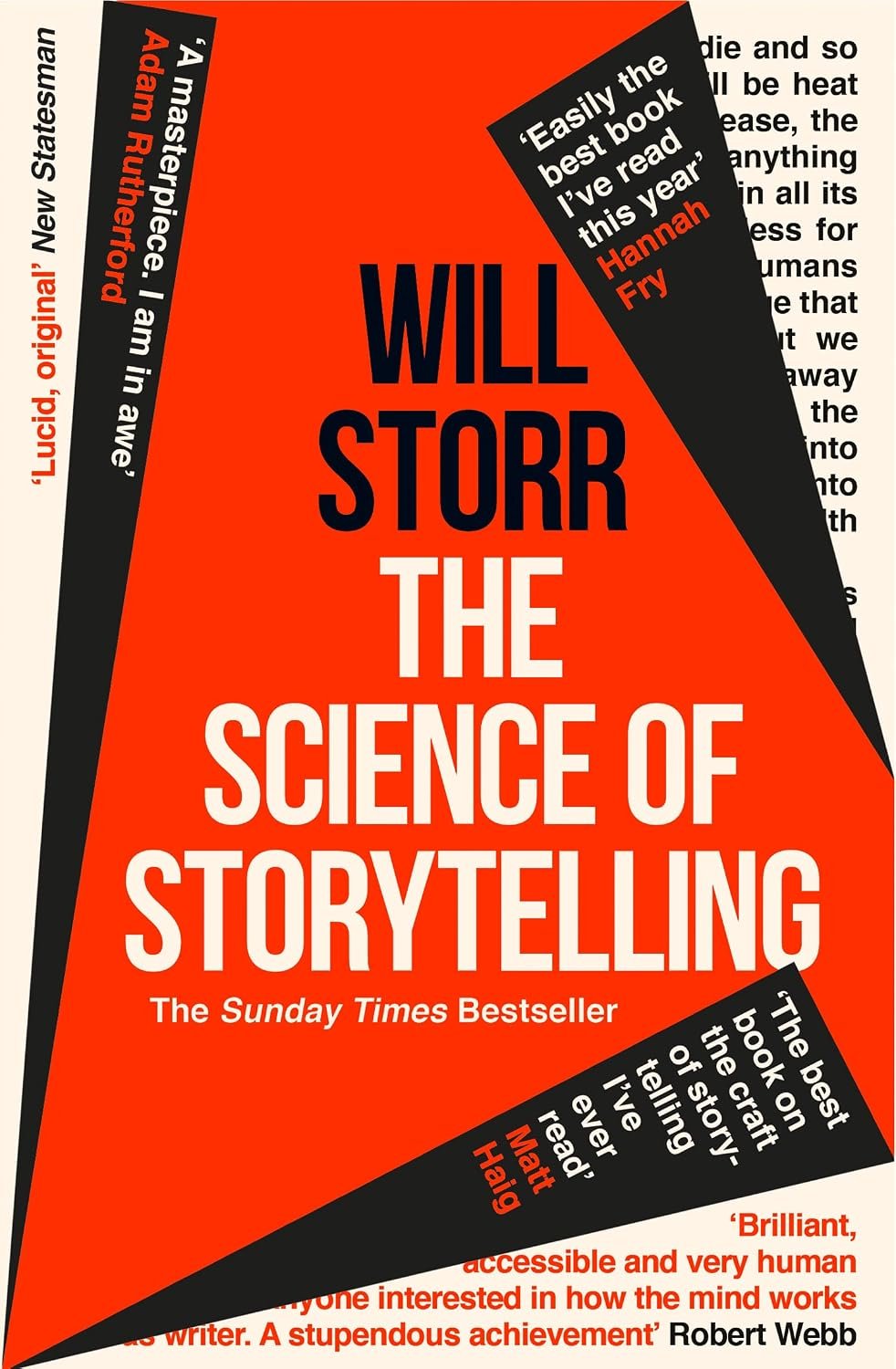
Description
Stories are at the heart of how humans understand the world. They shape our identities, influence our beliefs and help us make sense of people and events.
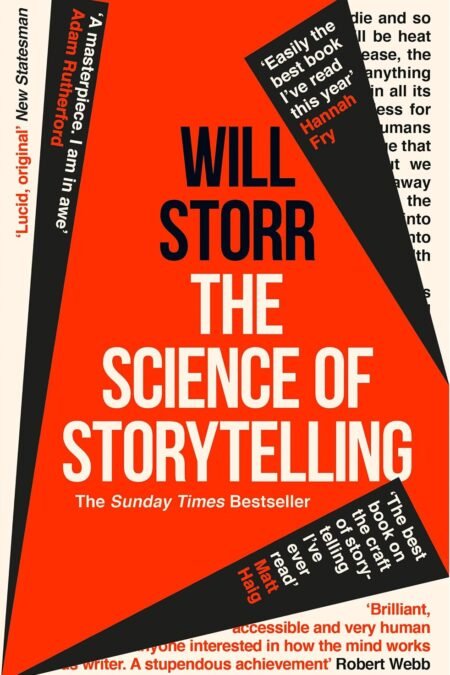
In The Science of Storytelling, Will Storr takes a scientific approach to one of the oldest forms of human expression: storytelling. Drawing on psychological research, neuroscience, myths and literary examples, he examines what happens inside our brains when we encounter a compelling story.
Rather than relying solely on traditional formulas for plot and structure, Storr explores how the brain responds to characters, unexpected change, conflict, meaning and the worlds created by storytellers. He shows how understanding these psychological mechanisms can help writers create stories that capture attention and keep readers engaged.
The book is particularly valuable for novelists, screenwriters, playwrights, creative writers and anyone interested in the craft of storytelling. It combines practical insights with fascinating ideas about why stories work and why humans are naturally drawn to them.
Key Highlights
- Explores the science and psychology behind storytelling
- Explains how the human brain responds to stories
- Connects neuroscience with traditional storytelling principles
- Examines characters, conflict, plot, worlds and meaning
- Useful for novelists, screenwriters and creative writers
- Combines scientific research with examples from literature and popular culture
- Helps writers understand what makes stories compelling
- A practical and thought-provoking guide to the craft of storytelling
About the Author
Will Storr is an award-winning writer, journalist and acclaimed teacher of creative writing. His work has appeared in publications including The Guardian, The Sunday Times, The New Yorker and The New York Times. He has also taught storytelling and writing to audiences around the world.

Reviews
There are no reviews yet.